(Part 1)
Words: Robby Pacicco
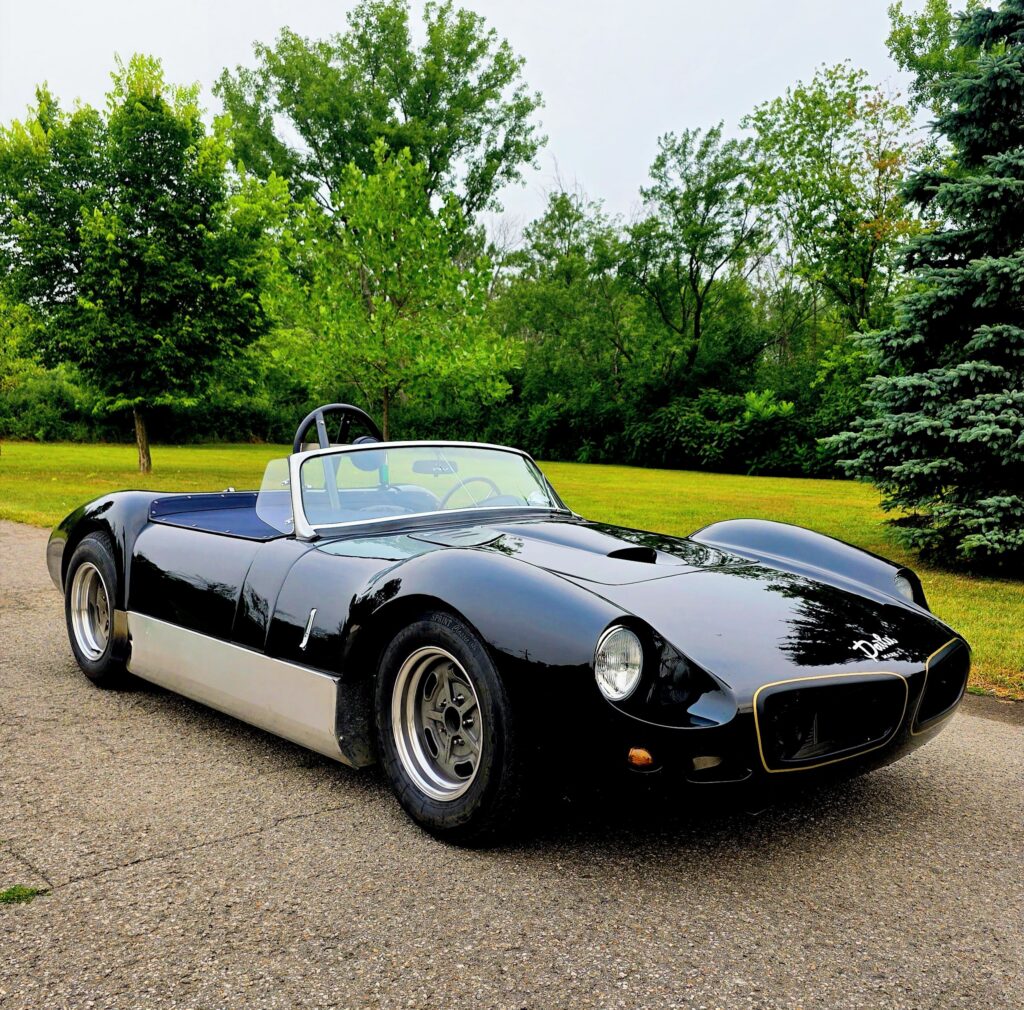
It’s hard to imagine currently the internet really doesn’t know everything; not yet at least. Sights and sounds which existed way beyond documented history have been lost to time and linger only as residual energy surrounding us all. This is why any new piece of information whether it be fact or lore is precious. Especially when the discovery is of something no one or just a few knew existed, like the 1961 Dailu MK1. It doesn’t matter what search engine is used to research the Canadian built race car, the information of its existence is shrouded by mystery. However, this dark horse unicorn exists: it can be, touched, seen, heard, smelled and (even though highly not recommended) tasted. The world has Canadian Motorsport Hall of Fame member David Grennblatt to thank for manifesting such a car.
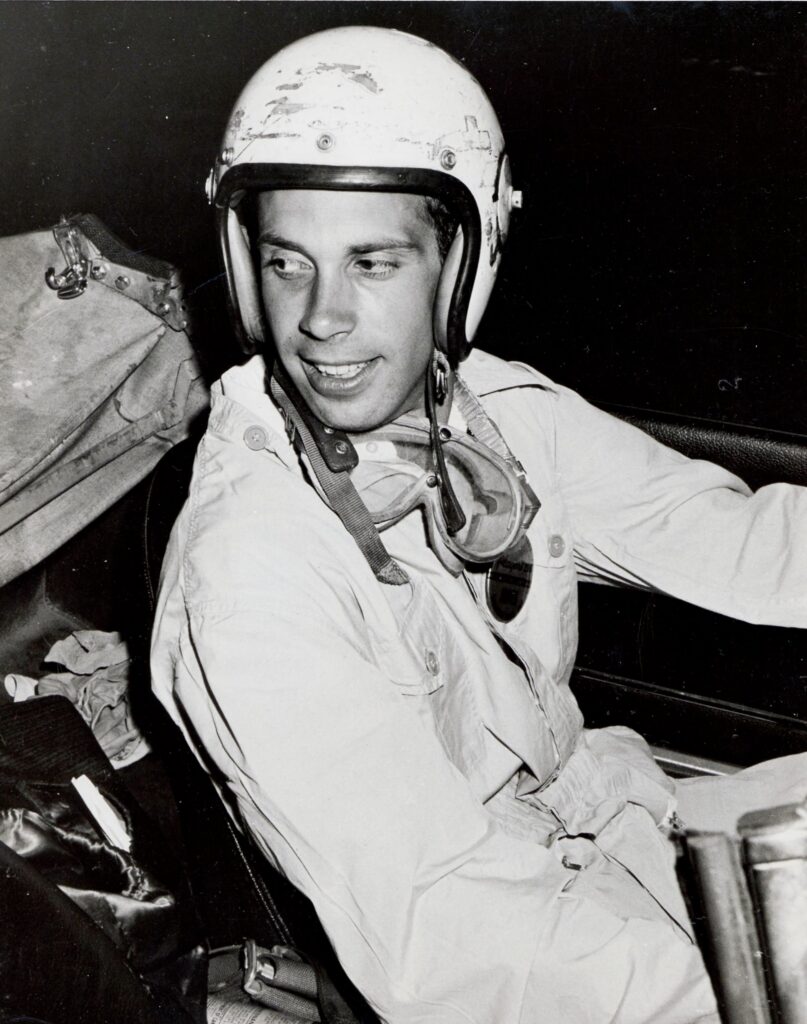
During the late 1950s, while Canada was developing the ill-fated supersonic jet project of the AVRO Arrow, David Greenblatt was amassing victories and respectable top 5 positions at any track he could compete on. During his professionally racing career he was sought out and solicited by the likes of Jaguar, Chevrolet and even Ferrari just to name a few. Greenblatt though had other plans, so in 1960 he bravely put his ideas and dreams of building his own race car ahead of simply just competing. With the goal of improving on what he perceived as imperfections or weakness’ in cars he raced with or against, he quickly began to design and align his vision of producing a world class car able to contend or surpass with the best out there. Headquartered in Montreal, QC, Canada, the tempo of the metronome was set. His team grew, including Formula 1 Lotus driver and good friend Peter Ryan, as well as former Alfa Romeo factory team technician Luigi Cassiani. While Peter was racing in Europe, David and Luigi were busy engineering and designing. The hours quickly became days and days became weeks but alas, those weeks if not months, became the Dailu MK1.
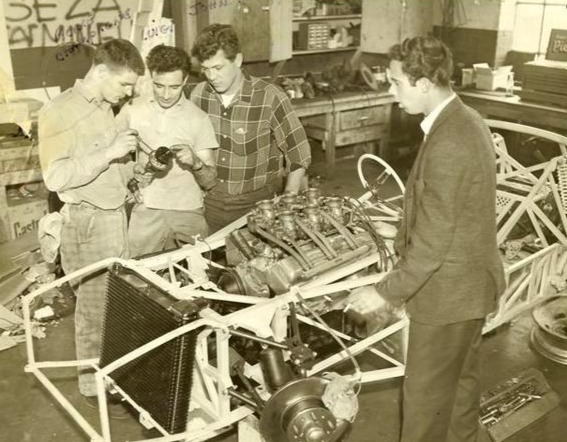
The name Dailu was derived from combining David and Luigi’s name; celebrating their friendship and shared ambition in the same way the inside sleeve of a Led Zeppelin vinyl would read Plant and Page. Luigi’s vast knowledge and experience with European race cars was ringing in the right key as he created a tubular space frame chassis with the engine up front, however behind the front axle. For 1961 this application was quite impressive when considering only mathematics, physics and the sensations of feeling were just as important then as Computer Aided Design (CAD) software is today. They installed a proven and trusted front suspension design borrowed from another Canadian named Bill Sadler but chose to use their own design for an independent rear suspension. Power came from a carbureted Chevrolet Corvette derived 327CI producing 400HP in an era when the competition produced about 100 less. The body of the MK1 was composed of thin gauge aluminum, designed by Mike Saggers who was consulted due to his aviation industry experience. Sadly, with the car about to reach completion, Peter Ryan was tragically killed while racing in Europe. The devastation David felt losing his friend was immense and paralyzing, yet he knew he couldn’t stop. The harsh reality of motorsport back then was the unimaginable risk each driver, crew member and even spectator took. The project would have persevered and now honor the fallen American born Canadian driver, Peter Ryan.
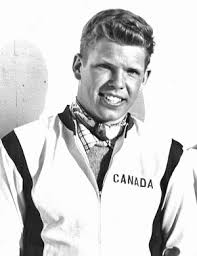
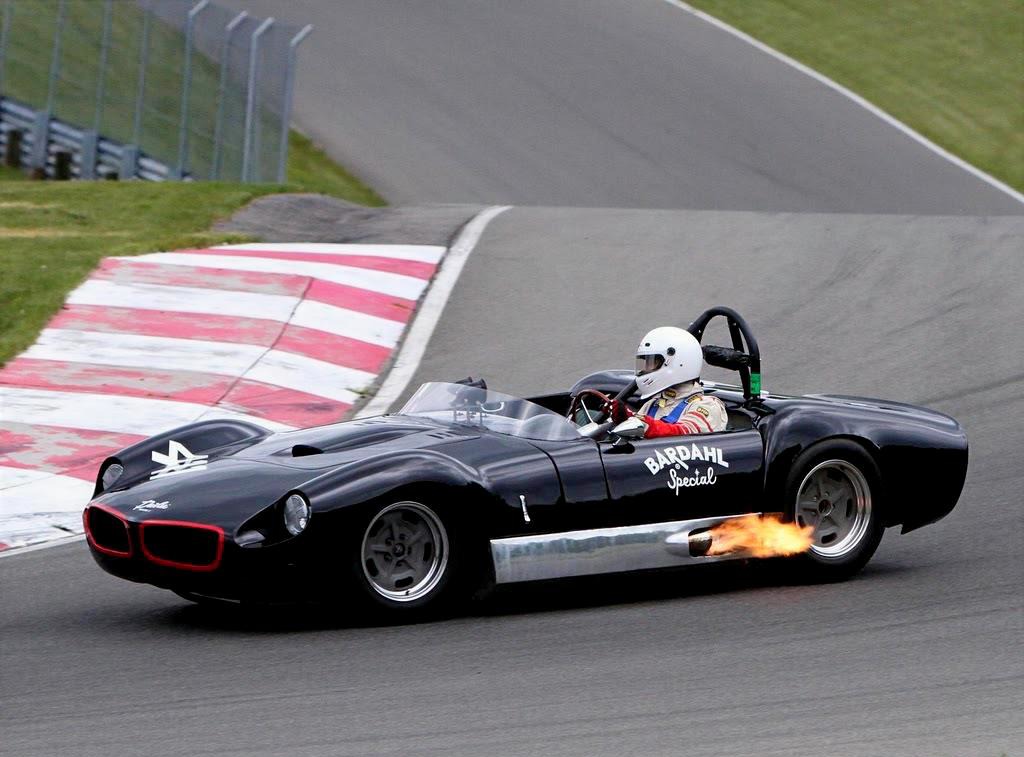
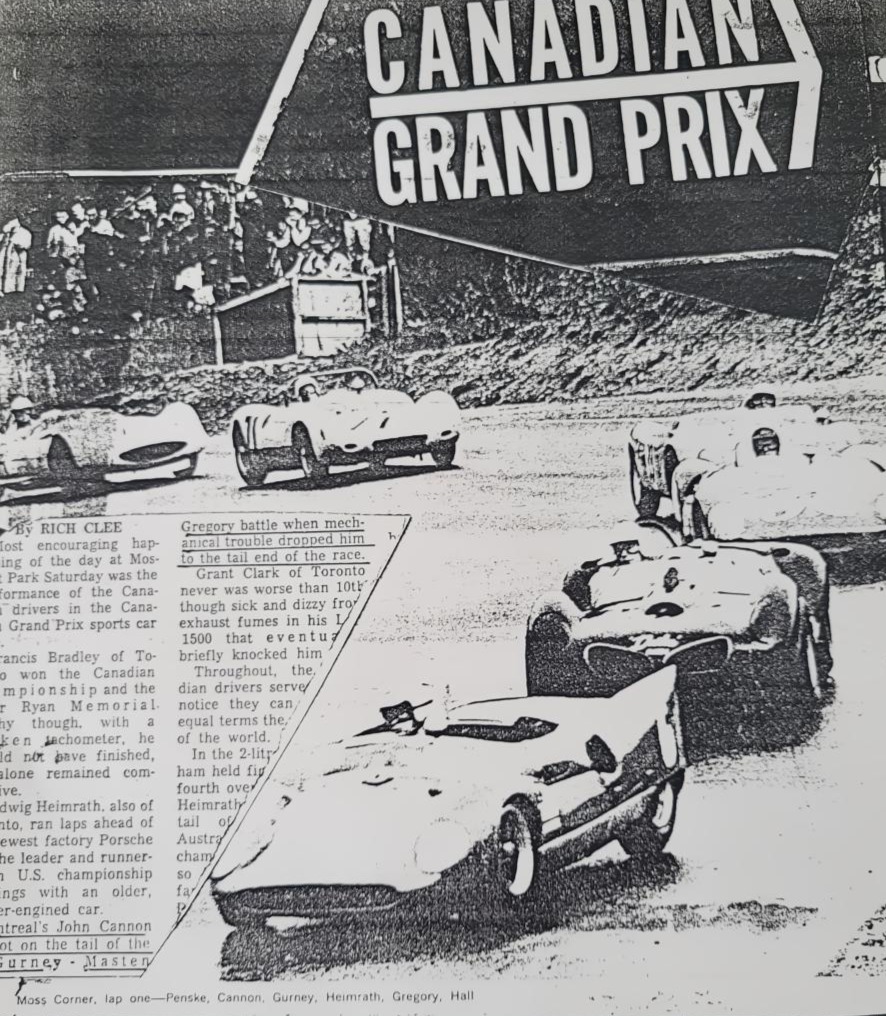
David Greenblatt asked yet another compatriot to join his crew and race for him: John Cannon. The car was extremely fast during testing as well as while being put through the gamut of club races. Competitors were impressed, intimidated and curious. What is this car? Where did it come from? Ready to earn respect on the big stage of the famous Players 200 in 1962, the newly sponsored by Bardahl Lubricants Dailu MK1 was to be piloted by none other than Ferrari driver Olivier Gendebien of Belgium. Gendebien drove the car in testing and had decent seat time but couldn’t bring himself to race it. He had some concerns about the car’s brutal acceleration and speed and did not feel completely comfortable with it. He couldn’t tame the unicorn the way he could his Cavallino Rampante; John Cannon ultimately grabbed the reigns and won five races out of 10, as well as multiple high positioned finishes when he didn’t win. This little Canadian race car was now an international name, appearing in American and European magazines. Then in September 1962, fate had other plans for this dark horse unicorn. Doom hit in the form of a loose fuel line, igniting a fiery end for the MK1.
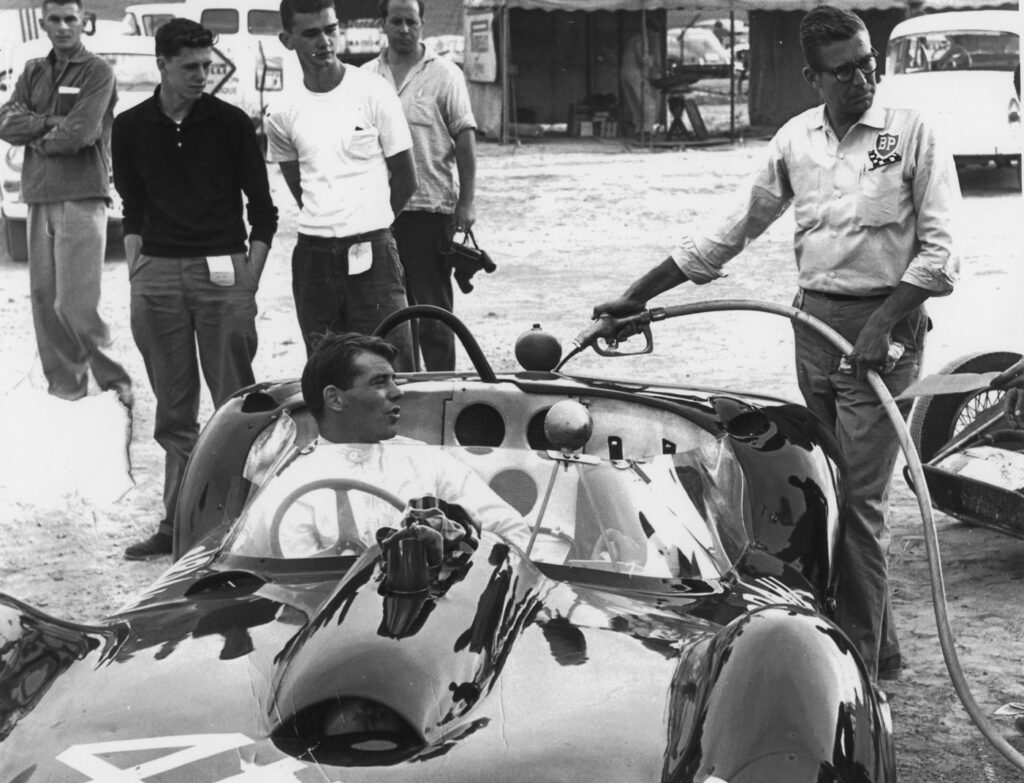
David went on to create more Dailus, all the way up to the MK7. Unfortunately, the pedigree of the MK1 wasn’t a certainty via legacy and the same success couldn’t match the original. In the late 1970s, David was done with racing and set his focus on other business ventures. While going on with his life away from the track, there was a shift occurring in the historic and vintage race car scene. The world was experiencing an appreciation for old race cars reliving their glory days. It was inevitable, the MK1 would be sought after by seekers, beckoned to once again rev on. A young talented mechanic working for Mr. Greenblatt at the time named Pasquale “Sam” Cerasuolo was asked if he’d like to partake in resurrecting the fallen beast. Pasquale, known to his friends and family simply as Sam said yes before the question was even asked. The team, which included David and Sam recovered the badly damaged MK1, soon realizing how much just needed to be done to fully restore the wreck, including a brand-new chassis. Having rebuilt the same car now for a second time, David was able to compete in the 1978 season with his vintage racer. Specifically, marking a milestone for the MK1, Canadian automotive and motorsport history as well as the great city of Montreal, it participated in the Inaugural Formula 1 race weekend at the now famous Circuit Gilles Villeneuve on home turf.
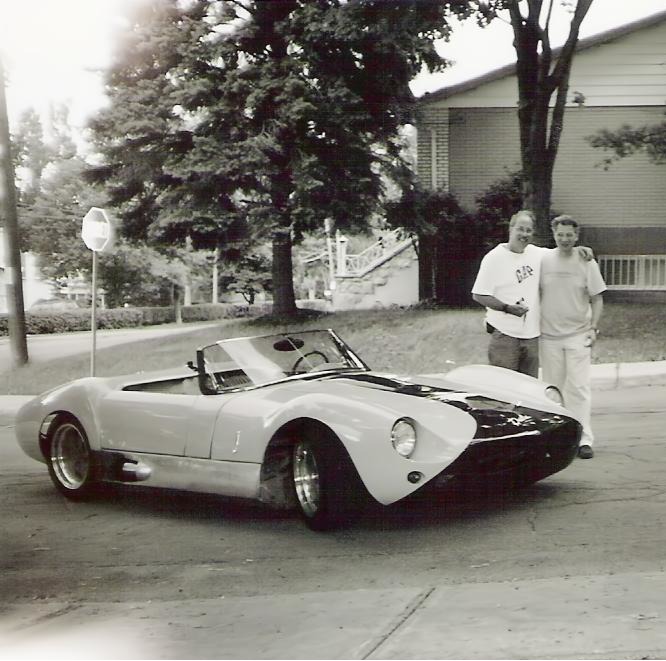
When the Dailu MK1 was no longer tearing up the racetracks, it sat for some time, until Sam asked David if he could buy it from him. David said yes on one condition: the MK1 had to eventually be turned into a proper road car. Sam gladly accepted. The Dailu MK1 and Sam raced together for almost a dozen years until it was decided that it was time to make good on the promise and make it a road legal car. Sam says the MK1 is in “Stradale” form now, as he takes it out for regular cruises in Montreal and sometimes to car meets and car shows. The MK1 has been readapting to every life it steers into. This car should never have existed, let alone have been revitalized several times. This car was just an idea, just a thought. Yet, it surpassed what were expectations, limitations and even finality. Fate finally met its match and will finally be leaving the Dailu MK1 alone.